

New born to 2-Month-Old baby
Exciting news! Your new-born is finally here after nine months of waiting. Now, as your baby adjusts to life outside the womb, you'll start seeing some changes in their behaviour. While the first few weeks mainly involve feeding, crying, sleeping, and diaper changes, by the end of the first month, your baby will show signs of progress.

Physical Development Milestones:
Can bring hands close to mouth and eyes.
Turns head from side to side while lying on the
tummy.
Head tilts backward without support.
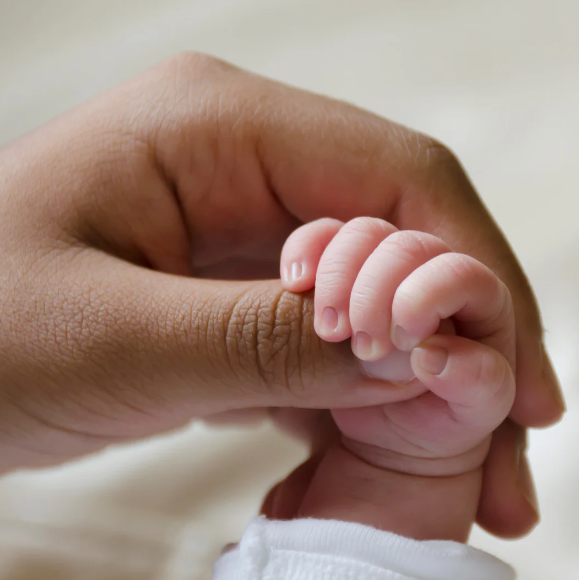
Clenches fists tightly.
Shows reflex movements
like rooting.

Touch and Smell Milestones:
Recognizes the scent of mother's breast milk.
Prefers soft textures and gentle handling.
Likes
sweet smells and dislikes acidic or bitter ones.
Hearing and Visual Milestones:
Turns head toward sounds.
Recognizes parents' voices.
Reacts to clapping hands.
Prefers
black and white patterns.
Can focus up to 12 meters.
May have wandering eyes.
Signs of Concern:
Difficulty in sucking
Constant trembling of the lower jaw.
Unresponsiveness to sounds or
lights.
Floppy limbs.
Trouble seeing close objects.

How You Can Help:
Play simple games like peekaboo.
Recognize when your baby needs rest.
Engage in talking,
singing, and reading.
Pay attention to your baby's cues and reactions.

Motor Skills
Your baby may have better control of their neck and head, especially when lying on their tummy.
Sensory Development:
Your baby becomes a better listener, responding to voices and turning towards sounds.
Vision
improves, recognizing faces and reacting to colours and shapes.
They respond to gentle touches
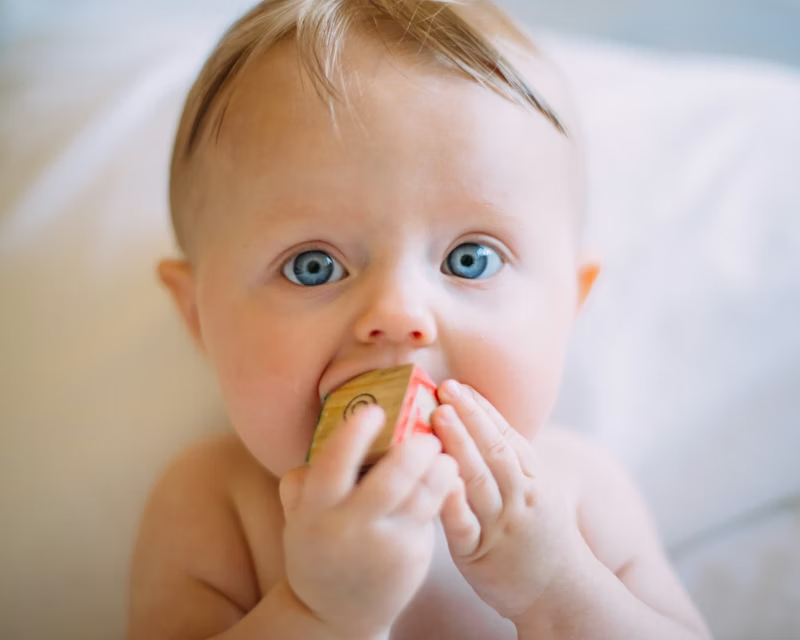
and explore textures by chewing on toys.
Cognitive Development:
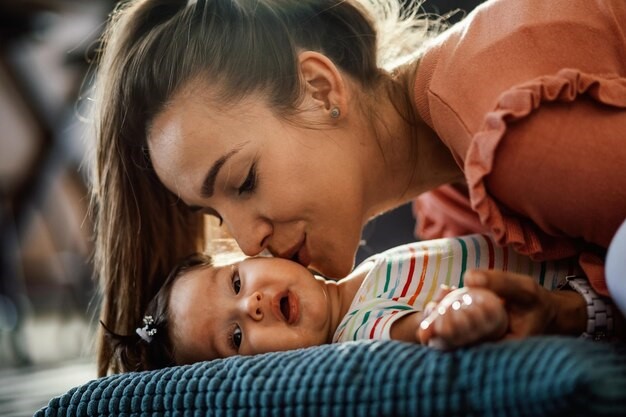
Smiling becomes more frequent, especially in response to interactions.
They start recognizing
faces
Curiosity grows, shows interest in new objects and enjoy colourful books and music.

Speech Development:
You'll hear cute cooing sounds, which are essential for language development.
Talking to your
baby, repeating words, and mimicking their sounds helps them learn.
Encourage conversations and
mimic their facial expressions to enhance communication.
When to Be Concerned:
Seek advice if your baby isn't reaching milestones like bringing hands to mouth, reacting to sounds,
or focusing on objects.
If they're not smiling or holding their head while lying on their tummy,
it's worth discussing with a doctor.
Tips to Help Your Baby:
Practice tummy time to strengthen neck and head control.
Stay on track with immunizations and
schedule regular check-ups.
Consult the pediatrician if necessary.
Physical Development
Your baby can now move their head more, up to 90 degrees.
They're getting better at grabbing and
shaking objects.
Your baby can now support their weight on their legs when you hold them up.

Cognitive Development:
Your baby will start copying things you do.
They will respond to you with cooing and
babbling.
Your baby can now see and recognize faces from a distance.
Social & Emotional Development:
They'll start interacting with siblings through sounds
Your baby will smile at familiar faces,
like family members.
Between 3 to 4 months, you might hear their first laugh.
Visual & Hearing Development:
Your baby can recognize your voice and respond to sounds around them.
They can follow moving
objects with their eyes.
When to Consult a Doctor:
If your baby Doesn't respond to sounds or faces.
If your baby Doesn't babble or make sounds.
If
your Has trouble holding their head up.
If your Doesn't show interest in grabbing objects.
Tips to Parents:
Encourage tummy time to strengthen neck muscles.
Talk to your baby often to improve their hearing
and vocabulary.
Play with toys that encourage tracking and movement.
Sleep Patterns:
Established Routine: Babies may develop a regular sleep schedule, sleeping 12 - 14 hours a day
with
shorter naps.
Evening Fussiness: Some babies may become fussy in the evenings, so it's good to start
bedtime
routines early.

Social and Emotional Development:
Responsive: Babies respond to affection, smiles, or interactions with others.
Self-Soothing: Thumb sucking may be a way for them to comfort themselves.
Excitement: They may show excitement by laughing and enjoying social interactions.

When to Seek Medical Advice:
Consult a doctor if your baby:
- Stops babbling or reacting to others.
- Doesn't respond to emotional cues or show interest in playing with toys
Tips to Parents:
Limit Screen Time: Avoid exposing them to screens and instead engage them with sounds and
voices.
Provide Toys: Offer a variety of toys to encourage exploration and cause and effect
learning.
Immunizations: Ensure they receive vaccinations on time to protect against illnesses.
Hygiene: Keep the environment clean but don't overly sanitize, as some exposure to
germs can
strengthen their immune system.
Safety: Declutter the home and keep objects out of reach to prevent accidents.

Achieved Milestones
Sitting: Your baby might try to sit with support and may start sitting on their own soon.
Response: They respond to sounds, recognize familiar faces, and may try to communicate
by babbling.
Curiosity: Babies become curious about stationary and moving objects, improving their
vision and exploration skills.
Physical Development
Reaching and Grasping: Your baby can reach for and hold objects, improving their hand eye
coordination.
Leg Strength: They put weight on both legs when held upright and may start rolling both
tummy to
back and reverse.
Muscle Coordination: Improved muscle coordination allows them to sit with support
(Tripod position)
and raise their chest above the floor/bed during tummy time.

Cognitive Development:
Tracking Objects: Babies begin to track moving objects and may show interest in moving toys
and peek-a-boo games.
Understanding 'No': They start to recognize and respond to the word "no" as they
explore cause and effect relationships.
Social Interaction: Babies respond to emotions, distinguish tones, and enjoy playing
with parents.
Communication Skills:
Name Recognition: Babies respond to their name and start babbling repetitive consonant sounds.
Expressing Emotions: They use their voice to express joy or displeasure and engage
in babbling conversations.
Sensory Development: Improved taste, colour vision, and hearing allow them to
explore and interact with their surroundings.
When to Seek Help:
Consult a doctor if your baby:
- Doesn't respond to sounds or displays poor hand and grip control.
- Shows no affection towards parents or doesn't babble.
- Has trouble reaching with one hand or cries excessively.
Tips for Parents:
Engage in Play: Talk to your baby, give them tummy time, and provide colourful / moving/
revolving toys to stimulate development.
Read to Them: Read brightly illustrated books and sing songs to help with vision and
language skills.
Encourage Exploration: Place toys just out of reach, let them meet new people, and
support their sitting efforts.

Achieved Developmental Milestones
Improved grasping: Your baby can now grasp objects using all fingers, and they may start
using their
palm to hold objects in hand.
Independent sitting: Your baby can sit upright without support and may even try to sit
up on their
own.
Introduction to solid foods: Your baby is ready to explore a variety of semisolids,
fruits and
vegetables, expanding their diet.
Enhanced vision: Your baby's vision improves, allowing them to differentiate between
more colours
and perceive depth better.
Better sleep patterns: Your baby may have longer stretches of uninterrupted sleep at
night,
resulting in fewer night time feedings.
Reaching for objects: Your baby can reach out to grab objects within their reach.
Rolling in both directions: They can roll over from their back to their tummy and vice
versa.
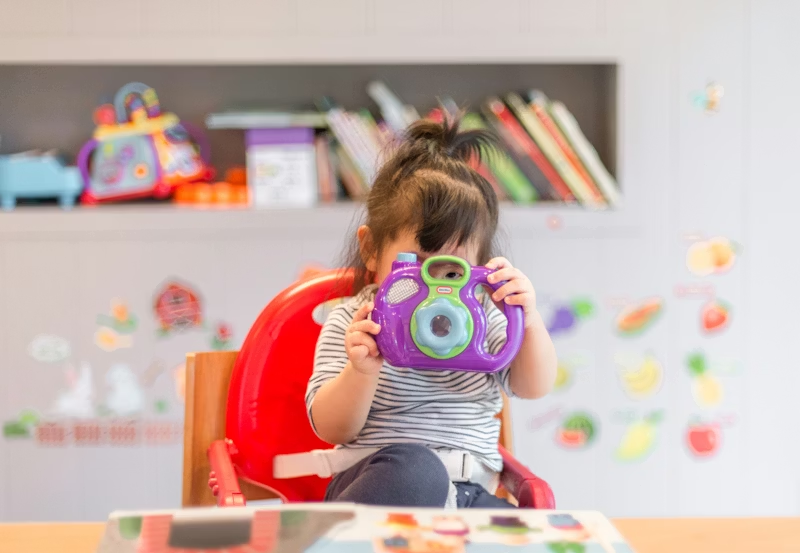
Cognitive Development
Curiosity: Your baby becomes more curious and eager to explore their surroundings.
Sound imitation: They start mimicking sounds they hear and may respond when called by
their
name.
Basic communication: Your baby begins babbling and may make sounds in response to
conversation.

Physical Development:
Improved coordination: Your baby's hand eye coordination improves, allowing them to handle
objects with more precision.
Independent sitting: Strong back muscles enable your baby to sit up without assistance.
Grasping objects: They can grasp small objects using all fingers.

Communication Skills:
Response to sounds: Your baby reacts to different sounds by making sounds of their own.
Babbling: They start babbling and may take turns making sounds with you or other family
members.
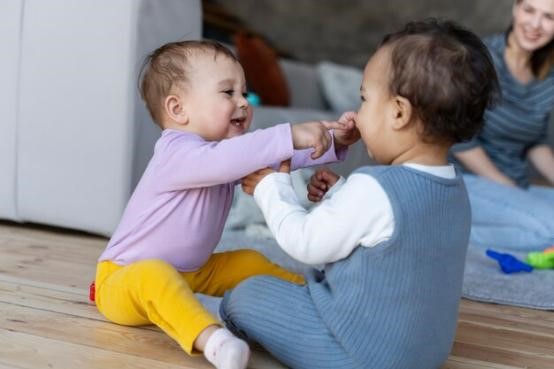
Sleep Patterns and Senses
Longer sleep stretches: Your baby sleeps for longer periods at night, with fewer
interruptions.
Exploration of textures: Your baby enjoys touching and feeling different textures,
objects, and
surfaces.
Visual development: They are attracted to bright, bold colors and can hold objects with
both
hands.

Social and Emotional Development
Recognition of familiar faces: Your baby can identify familiar faces and may express joy or
discomfort in response to different situations.
Enjoyment of play: They show interest in playing with caregivers and siblings.
Varied expressions: Your baby displays a range of facial expressions to convey
different
emotions.

When to Seek Help:
If your baby is not meeting these milestones or shows signs of developmental delays, such as difficulty sitting or not responding to sounds, it's essential to consult with a pediatrician.
Tips for Parents
Tummy time: Encourage your baby to spend time on their tummy to strengthen their muscles.
Interaction and playtime: Engage in conversations and play activities to stimulate your
baby's
listening skills.
Outdoor exposure and reading: Take your baby outdoors and read colourful books to
stimulate their
vision.
Social interaction: Allow your baby to interact with new faces and people to develop
social and
communication skills.
While most babies achieve these milestones by six months, it's essential to monitor your
baby's development and seek professional guidance if needed.

Developmental Milestones
Can find hidden objects and understand simple words
Recognize different tones of voices and hold and grasp things more firmly.
Shows curiosity about surroundings and understands cause and effect.
Increased drooling, fussiness, disturbed sleep, and visible teeth emerging

Cognitive Development
Begins babbling in conversations and showing interest in bright colours.
Follows moving objects, tries to find hidden items, and may recognize their name.
Develops memories of recent events and starts understanding basic instructions.
Physical Development
Tries to hold food with a two fingers (immature pincer grasp) and starts rolling or crawling.
Kicks arms and legs, picks up small toys, and may sit upright well.
Reaches for objects and brings them close to their mouth.
Social and Emotional Development
Expresses emotions like laughter and observes adults' emotions closely.
Develops individual personalities, wants to participate in activities, and may cry when other
children do.
Pays attention to loud noises and may react with fear or worry.
Communication Skills
Makes cooing and gurgling sounds like “oh” and “ah “, and tries to communicate with adults.
Changes tone of voice and asks for attention purposefully.
Eating
Introduce mashed or pureed foods and offer various fruits and vegetables.
Include iron fortified rice or oatmeal and slowly introduce finger foods.
When to Consult a Doctor
Consult the Paediatrician if your child has any signs of allergy while introducing new food items,
like - fever, rashes, vomiting, loose stools, or difficulty breathing.
Seek help if they don't roll over or sit up, have irregular sleep, or seem lethargic.
Tips for parents:
Keep them engaging by making them play with stacking and read books avoid screen time
Talk and sing to your baby, wave goodbye, and read storybooks together.
Encourage your baby's development by creating a nurturing environment and celebrating their
progress. Remember, every child grows at their own pace, so be patient and supportive.
Developmental Milestones
Supporting weight on both legs when upright
Tracking moving objects
Manipulating objects by passing them between hands
Understanding basic repetitive instructions
Saying "mama" and "dada" to any parent - bi-syllables
Developing a pincer grasp
Displaying separation anxiety
Getting into a crawling position easily
Understanding the purpose of personal objects
Cognitive Development
As your baby approaches their first birthday, their curiosity will be at an all-time high. It's
essential to baby-proof your home as they'll be eager to explore everything around them, including
putting objects in their mouths.
Additionally, their taste preferences may start to develop, and they may show interest in certain
solid foods.
Physical Development
Physically, your baby may be sitting without support, bearing weight when held upright, and
developing a pincer grasp.
They may also be rolling in both directions, crawling effortlessly, and improving their vision
to judge distances and coordinate movements.
Social and Emotional Development
Socially and emotionally, your baby may exhibit separation anxiety and show heart-warming greetings to familiar faces. They may also display signs of empathy towards their peers.
Communication Skills
In terms of communication skills, your baby may use hand gestures and basic syllables to communicate. They may also understand the importance of the word "no" and respond to simple instructions
Tips for parents:
While most babies achieve these milestones, it's essential to monitor your baby's development and
consult a doctor if you notice any red flags, such as difficulty sitting without assistance or
stiffness in muscles.
To help your baby achieve their milestones, engage in interactive play sessions, give names
to
objects and individuals, read stories, increase social interaction, and play games that encourage
crawling.
By nurturing your baby's skills and providing a stimulating environment, you can support
their
development and help them reach their milestones faster
Cognitive Development Milestones:
Your baby's cognitive abilities are rapidly evolving at nine months. Here are the cognitive
advancements your little one may exhibit:
Recognizes familiar faces and responds to their voices
Engages in simple problem solving tasks, like finding hidden objects
Demonstrates early memory skills by remembering familiar routines or objects
Shows interest in cause and effect relationships, such as dropping objects to see them fall
Begins to imitate familiar actions and gestures, like clapping or waving bye-bye
Explores objects with curiosity, turning them over to examine different sides
Social and Emotional Development Milestones:
Social and emotional growth are integral parts of your baby's development. Here are some milestones
to look for in this area:
Demonstrates attachment to primary caregivers, seeking comfort when distressed
Displays a range of emotions, including joy, frustration, and curiosity
Shows empathy towards others, comforting those who are upset
Begins to understand simple social cues, like smiling back when smiled at
Engages in simple turn taking interactions during play, like passing a toy back and forth
Shows early signs of independence, attempting to feed themselves or explore new environments
Motor Skills and Physical Development Milestones
Physical milestones mark your baby's progress in movement and coordination. Here are the
developmental achievements to expect:
Crawls confidently on knees and hands, exploring their surroundings with increased mobility
Pulls themselves up to standing using furniture or other support
Begins to cruise along furniture, taking steps while holding on
Demonstrates improved hand eye coordination, picking up small objects with thumb and
forefinger
Explores different textures and sensory experiences through tactile play
Shows interest in self feeding, using fingers to grasp and explore food items
Neurodevelopmental Skill Milestones
Neurodevelopmental milestones reflect your baby's brain growth and sensory development. Here are the
milestones your baby may reach at nine months:
Demonstrates improved fine motor skills, manipulating objects with greater precision
Engages in babbling and vocal play, experimenting with a variety of sounds
Responds to familiar words and phrases with increased understanding
Demonstrates early comprehension of simple instructions like hand shaking or waving
Explores the environment through sensory experiences, touching, tasting, and smelling objects
Begins to show preferences for certain activities, toys, or foods based on sensory feedback
Communication Skills Milestones:
Communication milestones reflect your baby's growing ability to interact and express themselves. Here
are some communication milestones your baby may achieve:
Uses gestures and vocalizations to express needs and desires
Responds to their name and simple verbal commands with increasing consistency
Attempts to imitate familiar sounds and words, like "mama" or "dada"
Engages in back and forth babbling conversations with caregivers
Begins to point to objects or people to draw attention or express interest
Shows an emerging understanding of language by following simple directions and responding
appropriately
When to Consult a Doctor
While every baby develops at their own pace, there are certain red flags to watch for.
Consult a doctor if you notice:
a. Persistent delays in reaching developmental milestones, such as not babbling or making eye
contact
b. Lack of responsiveness to social cues or interactions with caregivers
c. Unusual motor patterns or difficulty with movement, such as stiff limbs or unusual
postures
d. Concerns about vision or hearing, such as failure to respond to loud noises or visual
stimuli
e. Persistent feeding difficulties or refusal to eat, leading to inadequate growth or weight
gain
f. Any other concerns about your baby's development or behaviour that seem unusual or
concerning
Cognitive Milestones:
Communication skills are blossoming at ten months. Here are some milestones your baby may achieve in
communication
Demonstrates object permanence by searching for hidden objects
Engages with picture books, absorbing colourful illustrations and processing sounds
Responds to gestures like Hi and Bye
Imitates actions and gestures, learning through observation and repetition
Understands simple requests and responds accordingly
Physical Milestones:
Physical development plays a crucial role in your baby's growth. Here are the physical milestones
your baby may achieve:
Crawls proficiently and pulls up to a standing position
Utilizes a mature pincer grasp to pick up small objects
Sits unsupported with straight back and transitions from sitting to standing with support
Grows central incisors, aiding in biting and chewing finger foods
Improves hand eye coordination and depth perception
Social and Emotional Development Milestones:
Social and emotional milestones reflect your baby's growing awareness of the world around them. Here
are some milestones your baby may reach in this area:
Your baby waves to say hello or goodbye and shows affection towards familiar caregivers.
Exhibits anxiety around strangers and separation distress from primary caregivers
Reacts to various situations with a range of emotions, including joy and fear
Begins to understand social cues and responds to their name
Communication Skills:
Communication skills are blossoming at 10 months. Here are some milestones your baby may achieve in
communication:
Mimics gestures and actions, demonstrating early imitation skills
Listens attentively to sounds and reacts accordingly
Follows simple commands and responds to their name
Attempts to communicate through gestures and vocalizations
Sleep Milestones:
Healthy sleep habits are essential for your baby's development. Here are some sleep milestones to
consider:
Takes one or two naps totaling about 1-2 hours during the day.
Establishes a consistent nap schedule, preferably after lunch
Makes up for lost sleep with additional night-time sleep
Eating Milestones:
Nutrition plays a vital role in your baby's growth and development. Here are some eating milestones
to observe:
Expands palate by introducing new solids and finger foods
Encourages self-feeding with soft finger foods and utensils
Supervises meals to prevent choking hazards and promotes independent eating skills
When to Consult a doctor
While every baby develops at their own pace, certain signs may indicate a need for further
evaluation. Watch for:
- Delayed crawling or sitting without support
- Limited vocalization or failure to develop babbling
- Difficulty recognizing familiar faces or responding to social cues
Remember, each baby is unique, and developmental milestones may vary. Trust your instincts
and
consult a healthcare professional if you have concerns about your baby's development.
Physical and Motor Skills
Your baby is learning to adjust their position to reach objects more effectively.
They're gaining stability and can now try to stand without support, but a bit wobbly.
"Cruising" along furniture is a common sight as they prepare to take those first steps.
While climbing stairs might still be challenging, they're making strides in motor
coordination.
Improved muscle control allows for better grip on objects.
Cognitive Development
Recognition of familiar people and objects is growing.
Spatial skills are developing, enabling them to observe and manipulate shapes and sizes.
They're learning how to use objects purposefully, such as lifting a cup to drink or a comb to
groom.
Expressing disapproval, like shaking their head for "No," is becoming evident.
Social and Emotional Development
Strong attachments to primary caregivers, recognizing and seeking them out as needed.
Interactions with familiar faces result in warm smiles, while strangers may elicit shyness.
A range of emotions is expressed, including frustration through tantrums.
Engagement in parallel play alongside other children begins.
Communication Skills
Actions become a means of expressing desires.
Interest in two-way communication emerges.
Imitation of expressions and words from caregiver’s increases.
Following simple requests, like handing over an object, becomes possible.
Eating Milestones
Self-feeding with fingers and experimenting with utensils begins.
Taste preferences continue to develop.
Introduction of varied textures and flavours in solid foods occurs.
Persistence with offering new foods is encouraged to overcome fussiness.
When to consult a doctor
Lack of attempts to stand by this stage may warrant further evaluation.
Difficulty standing even with support should be addressed.
Absence of vocalization or response to sounds may indicate developmental delay.
Confusion or lack of response to familiar sounds may signal sensory issues.
Every baby develops at their own pace, but consistent monitoring and support ensure they
reach their
milestones with confidence. Regular check-ups and nurturing interactions lay the foundation for
healthy growth and development.
Achieved Developmental Milestones:
Your little one can now pull themselves to stand and take a few steps independently.
Simple words are part of their vocabulary, and they can imitate actions and respond to basic
requests.
They demonstrate memory by recalling the last known location of objects and exhibit hand-eye
coordination.
Cognitive Development:
Cognitive milestones encompass your baby's thinking abilities and mental processing skills. By age 1,
they demonstrate:
Understanding of object permanence and visual memory, evidenced by searching for hidden
objects.
Recognition of familiar objects and people, indicating object-noun associations.
Proper use of objects, such as combing hair or holding a phone correctly.
Physical Development:
Physical growth and motor skill refinement are prominent at this stage, as your baby achieves:
Pulling to stand and attempting independent steps to walk.
Refined hand movements, including grasping objects with different grips and using the index
finger
for pointing and poking.
Improved hand-eye coordination and depth perception.
Communication Skills:
Language development progresses rapidly, with your baby showing increased interest in communication.
Milestones include:
Understanding simple instructions and attempting to vocalize words, though speech may still
sound
like babbling.
Imitating sounds, gestures, and exclamations like "Uh Oh!" to express emotions.
Beginning to use non-verbal communication, such as shaking their head for "No."
Social and Emotional Development Milestones:
Social and emotional growth involve forming attachments, understanding emotions, and navigating
social interactions. By age 1, your baby may:
Display fear or clinginess in unfamiliar situations or darkness, seeking comfort from
familiar
caregivers.
Exhibit preferences for certain people and imitate behaviours during play.
Express a range of emotions and test boundaries through actions like throwing objects or
refusing
food.
When to Consult Doctor:
While each child develops at their own pace, certain signs may warrant further evaluation by a
healthcare professional:
- Inability to stand or crawl, even with support.
- Lack of response to simple gestures or instructions.
- Failure to vocalize or imitate sounds.
- Difficulty with basic motor skills like sitting or pointing.
Your baby's first year is filled with incredible growth and discovery. While challenges
may
arise, patience, encouragement, and a nurturing environment will help them thrive as they continue
to
explore and learn.